

Power BI Templates for Supply Chain Analysis – Power BI Templates for Sales Analysis
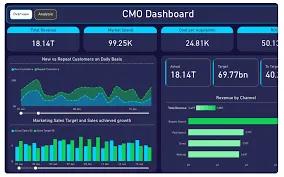
Power BI templates for supply chain analysis help organizations gain visibility into procurement, inventory, logistics, and distribution performance. When combined with Power BI templates for sales analysis, businesses can align supply chain efficiency with sales demand. Using these templates together enables companies to reduce costs, avoid stockouts, and improve customer satisfaction through data-driven planning.
Understanding Power BI Templates for Supply Chain Analysis
Power BI templates for supply chain analysis are pre-designed dashboards that visualize supply chain metrics such as inventory levels, order fulfillment rates, supplier performance, and lead times. These templates allow businesses to track operations in real time. By integrating Power BI templates for sales analysis, organizations can correlate supply availability with actual sales performance to optimize planning.
Role of Power BI Templates for Sales Analysis in Supply Chain
Power BI templates for sales analysis provide insights into demand patterns, revenue trends, and customer buying behavior. When paired with Power BI templates for supply chain analysis, sales data helps supply chain teams forecast demand accurately. This alignment reduces overstocking, minimizes shortages, and ensures smoother operations across the supply chain.
Key Metrics in Power BI Templates for Supply Chain Analysis
A typical Power BI templates for supply chain analysis dashboard includes:
Inventory turnover ratios
Supplier delivery performance
Order cycle time analysis
Warehouse utilization
Transportation and logistics costs
By combining these metrics with Power BI templates for sales analysis, businesses can make informed decisions that balance supply and demand effectively.
Benefits of Using Power BI Templates for Supply Chain and Sales Analysis
Improved Demand Forecasting: Sales trends guide inventory planning.
Cost Optimization: Reduce storage and logistics expenses.
Operational Efficiency: Identify bottlenecks in the supply chain.
Better Supplier Management: Monitor vendor performance.
Enhanced Customer Satisfaction: Ensure timely product availability.
The synergy between Power BI templates for supply chain analysis and Power BI templates for sales analysis drives end-to-end business optimization.
Use Cases of Integrated Supply Chain and Sales Analytics
Organizations use Power BI templates for supply chain analysis to track inventory health and supplier efficiency. By integrating Power BI templates for sales analysis, businesses can identify fast-moving products, seasonal demand patterns, and regional sales variations. This combined approach improves procurement planning and reduces operational risks.
Customization and Integration Capabilities
Power BI templates for supply chain analysis can be customized based on industry requirements, such as manufacturing, retail, or e-commerce. Power BI templates for sales analysis integrate seamlessly with ERP, CRM, and warehouse management systems. Users can tailor dashboards by adding filters, KPIs, and visuals for deeper insights.
Best Practices for Supply Chain and Sales Dashboards
Maintain accurate and real-time data sources
Align supply chain KPIs with sales goals
Use interactive visuals for trend analysis
Regularly review supplier and inventory metrics
Update dashboards based on business changes
Following these best practices ensures optimal use of Power BI templates for supply chain analysis and Power BI templates for sales analysis.
Future Trends in Supply Chain Analytics Using Power BI
With increasing market volatility, Power BI templates for supply chain analysis will incorporate predictive analytics and AI-driven insights. When combined with Power BI templates for sales analysis, businesses can anticipate demand fluctuations, optimize inventory levels, and enhance resilience in their supply chains.
Conclusion
Power BI templates for supply chain analysis integrated with Power BI templates for sales analysis provide organizations with powerful tools to manage operations efficiently. These templates enable better demand forecasting, cost control, and customer satisfaction. By leveraging unified analytics, businesses can achieve operational excellence and sustainable growth.